Why Moss and Algae Thrive on Newport Roofs
Look up at your roof after a wet Newport week and you'll usually spot it. Green patches creeping across the tiles, dark streaks running down from the ridge, and soft clumps of moss packed into the gaps between slates.
Newport sits in one of the damper corners of Britain, sat between low hills and the Severn estuary. Lovely for the views. Less lovely for your roof, which spends a big slice of the year damp, shaded, and just right for moss.
The quick answer: Moss and algae thrive on Newport roofs because the local climate is wet, mild, and often grey, which keeps tiles damp for long stretches. Shade from trees and tall terraces stops roofs drying out, and airborne spores settle easily on rough or ageing surfaces. Regular roof cleaning and moss removal keep the growth from taking hold.
1. Newport's wet climate does most of the work
South Wales is one of the wetter parts of the country, and Newport gets its share. Damp air rolls in on southwesterly winds off the Bristol Channel, and the hills to the north wring even more rain out of it. That means a lot of grey, drizzly days.
Moss loves that. It needs moisture to grow, and a roof that rarely gets a chance to fully dry is basically an open invitation. You don't need heavy storms either. It's the steady, low-level dampness that does the damage over months and years.
And because Newport winters stay fairly mild rather than deep-freezing for weeks, moss keeps growing when it would go dormant somewhere colder.
2. The Usk and the estuary keep the air damp
The River Usk runs right through the middle of Newport, and it's a tidal river with one of the biggest tidal ranges anywhere in the world. Twice a day the water drops away to reveal wide mud banks along the channel. All that exposed water and mud pushes humidity into the air.
Roofs near the river and down towards the docks feel this most. The closer you are to the Usk or the Severn estuary, the more moisture your tiles are dealing with day to day.
It's not something most homeowners think about. But that damp estuary air is one reason Newport roofs green up faster than roofs a few miles inland.
3. Shade stops your roof drying out
Sunlight is a roof's best friend. It dries tiles out and slows moss right down. The trouble is that plenty of Newport roofs don't get much of it.
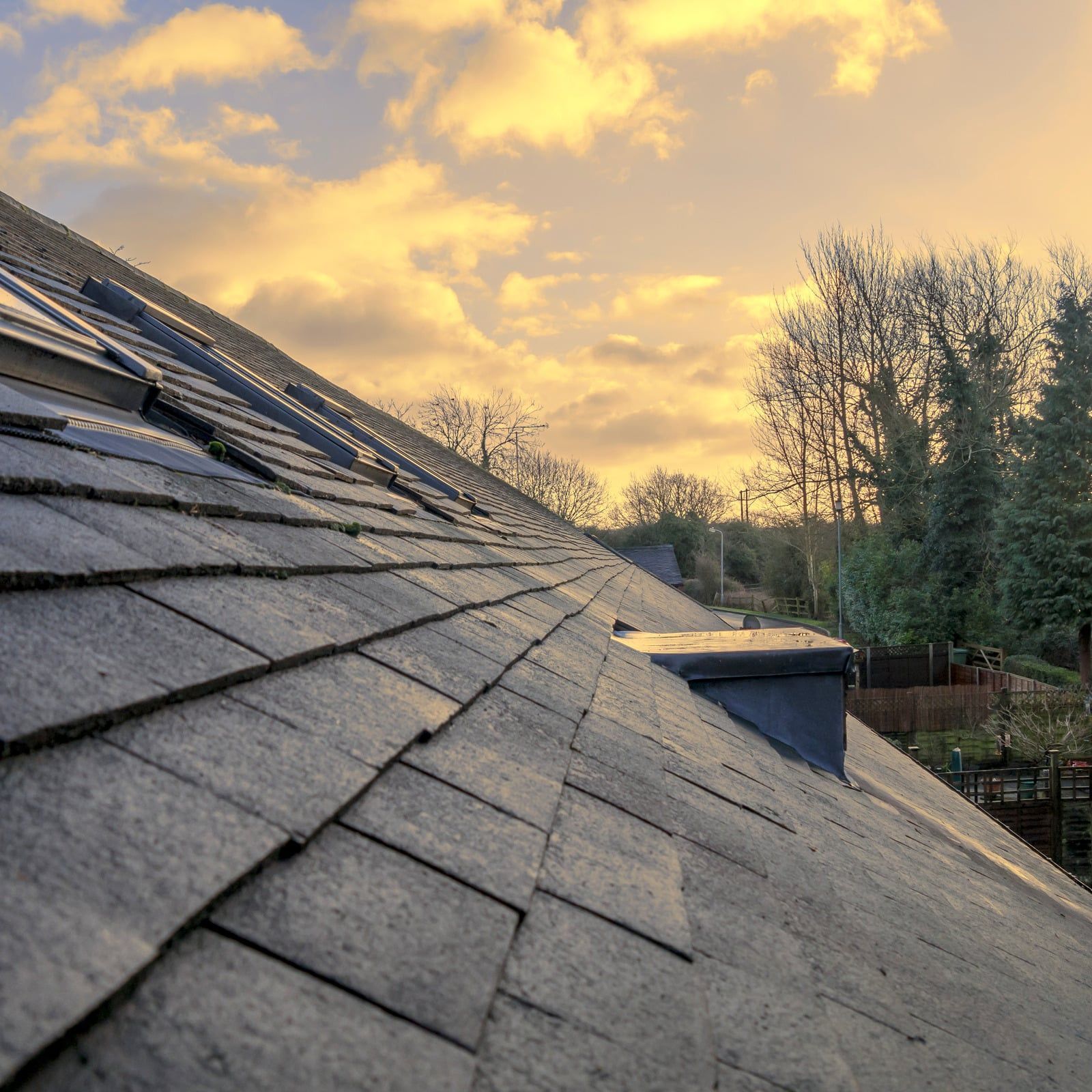
North-facing slopes stay in shadow most of the day. Rows of tall Victorian terraces on streets around Pill, Maindee and Stow Hill throw shade onto each other, so the lower slopes barely see the sun. Add a few mature trees and a chimney or two, and parts of your roof might stay damp from one week to the next.
That shaded, sheltered damp is exactly where moss and algae dig in first. If one side of your roof looks green while the other looks clean, shade is usually the reason.
4. What moss actually does to your tiles
Moss isn't just an eyesore. It holds water against the surface of your tiles like a wet sponge, and that sitting moisture is a problem in a place that freezes now and then.
When trapped water freezes, it expands. Over enough winters that freeze-thaw cycle can crack tiles and flake the surface off slate. Moss also creeps under the edges of tiles and lifts them, which opens up gaps for water to get in underneath.
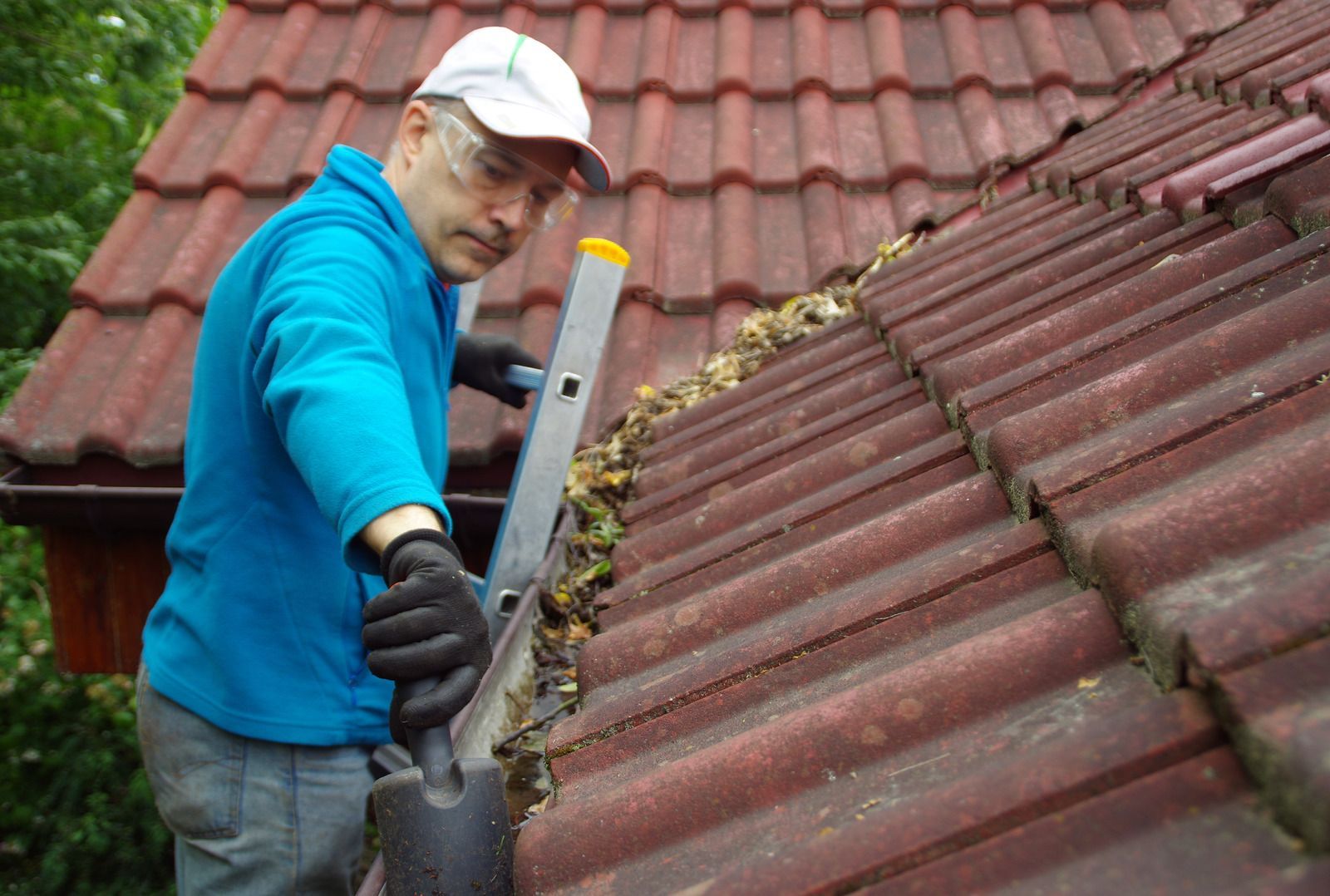
Then there's the runoff. Clumps of moss break away in heavy rain and slide straight into your gutters, where they block the flow and cause overflows down the wall. One roof problem quietly turns into another.
5. Algae, lichen and those black streaks
Not everything green on your roof is moss. Those dark streaks running down from the ridge are usually algae, a thin film that spreads across the tile surface and feeds on moisture and airborne particles.
Lichen shows up too, often as crusty grey or pale green spots that grip the tile hard. It's stubborn stuff, and it doesn't brush off the way loose moss does. All three love the same damp, shaded conditions Newport serves up so reliably.
Left alone, they spread. A few streaks become a whole slope, and a roof that could pass for new starts looking tired and neglected from the street.
6. How professional cleaning keeps it away
The fix isn't complicated, but it does need doing properly. Moss removal clears the built-up growth by hand and with low-pressure soft washing, which uses gentle water pressure plus a biocide rather than a harsh jet that can damage old slate.
The biocide matters because it keeps working after the visible moss is gone. It goes after the spores and film you can't see, so regrowth takes far longer to come back. On a damp Newport roof, that's the difference between cleaning every year and cleaning every few years.
Pairing a roof clean with a gutter clear-out makes sense too, since so much loosened moss ends up in the gutters anyway. Ben's Roof Cleaning has been doing exactly this kind of work across Newport for over 15 years.
- Wet climate: Newport's frequent rain and mild winters keep tiles damp enough for moss to grow much of the year.
- Estuary damp: humid air off the tidal Usk and the Severn estuary slows how fast roofs dry out.
- Shade: north-facing slopes and tall terraces trap moisture where moss takes hold first.
- Real damage: trapped water, freeze-thaw and lifted tiles can turn moss into leaks and cracks.
- Proper cleaning: low-pressure soft washing with biocide removes growth and slows its return.
Frequently Asked Questions
How often should a Newport roof be cleaned?
It depends on shade and how close you are to the river, but most Newport roofs benefit from a check every couple of years. Heavily shaded, north-facing roofs may need attention sooner.
Does moss really damage my roof or just look bad?
Both. It looks bad, but it also holds water against tiles, lifts their edges, and feeds freeze-thaw cracking over winter.
Will the moss come straight back after cleaning?
Not quickly, if a biocide is used. It keeps working on spores you can't see, so regrowth is much slower than a plain scrape and rinse.
Is pressure washing safe for my slate roof?
High pressure can strip and crack old slate. Low-pressure soft washing is the safer choice for Newport's older roofs.
Why is one side of my roof greener than the other?
Almost always shade. The side that gets less sun stays damp longer, and moss settles there first.
Is moss taking over your Newport roof?
Ben's Roof Cleaning works across Newport and South Wales, with over 15 years of experience. Get in touch or call 01633 358100
for a free, no-obligation quote.
Newport's weather won't change, but your roof doesn't have to suffer for it
You can't do much about the rain rolling in off the channel or the damp lifting off the Usk. That's just life here. What you can control is how long moss and algae get to sit on your tiles before someone deals with it.
Catch it early and a clean is quick and cheap. Leave it for years and you're looking at lifted tiles, blocked gutters, and damp working its way in. A regular look at your roof is one of the simplest ways to protect the whole house.