Newport's Victorian Terraces and Why Slate Roofs Need Care
If you live in one of Newport's older terraces, chances are you're sitting under a slate roof that's been up there longer than anyone can remember. You might never think about it. It just does its job, quietly, through storm after storm.
But those slates have earned some looking after. Newport grew fast in the Victorian era on coal, iron and the docks, and street after street of terraced housing went up with roofs of proper Welsh slate. Many are still original, and they're worth protecting.
The quick answer: Newport's Victorian terraces were roofed with Welsh slate, a tough, long-lasting material that can still crack, slip, and grow moss as it ages. Damp weather, old fixings, and shaded slopes all take a toll. Gentle, regular cleaning plus a proper check keeps these roofs sound for decades more.
1. Why Newport is a city of slate roofs
Newport boomed in the 1800s. Coal came down from the valleys, the docks shipped it out, and workers needed homes fast. The answer was terraced housing, thousands of them, built row after row across areas like Pill, Maindee and Stow Hill.
Nearly all of them got slate roofs. Welsh slate was close to hand, cheap to move by rail and boat, and it lasted. A lot of those same slates are still up there today, well over a century on.
That's a real credit to the material. Honestly, few modern roofs will ever match it for lifespan.
2. What makes Welsh slate so good in the first place
Welsh slate splits into thin, flat sheets that shed water beautifully. It doesn't soak up much moisture, it handles frost, and it holds its colour for generations. That's why it ended up on roofs all over the world, not just here at home.
On a Newport terrace it's doing exactly what it was made for, keeping out the rain that blows in off the Bristol Channel week after week. The material itself rarely gives up.
What lets a slate roof down is almost never the slate. It's everything around it.
3. The nails and fixings give out first
Every slate hangs on a couple of nails driven into timber battens. Those nails have been sitting in damp Newport air for a hundred years or more, and iron nails rust. This is called nail sickness, and it's the number one reason old slate roofs start to fail.
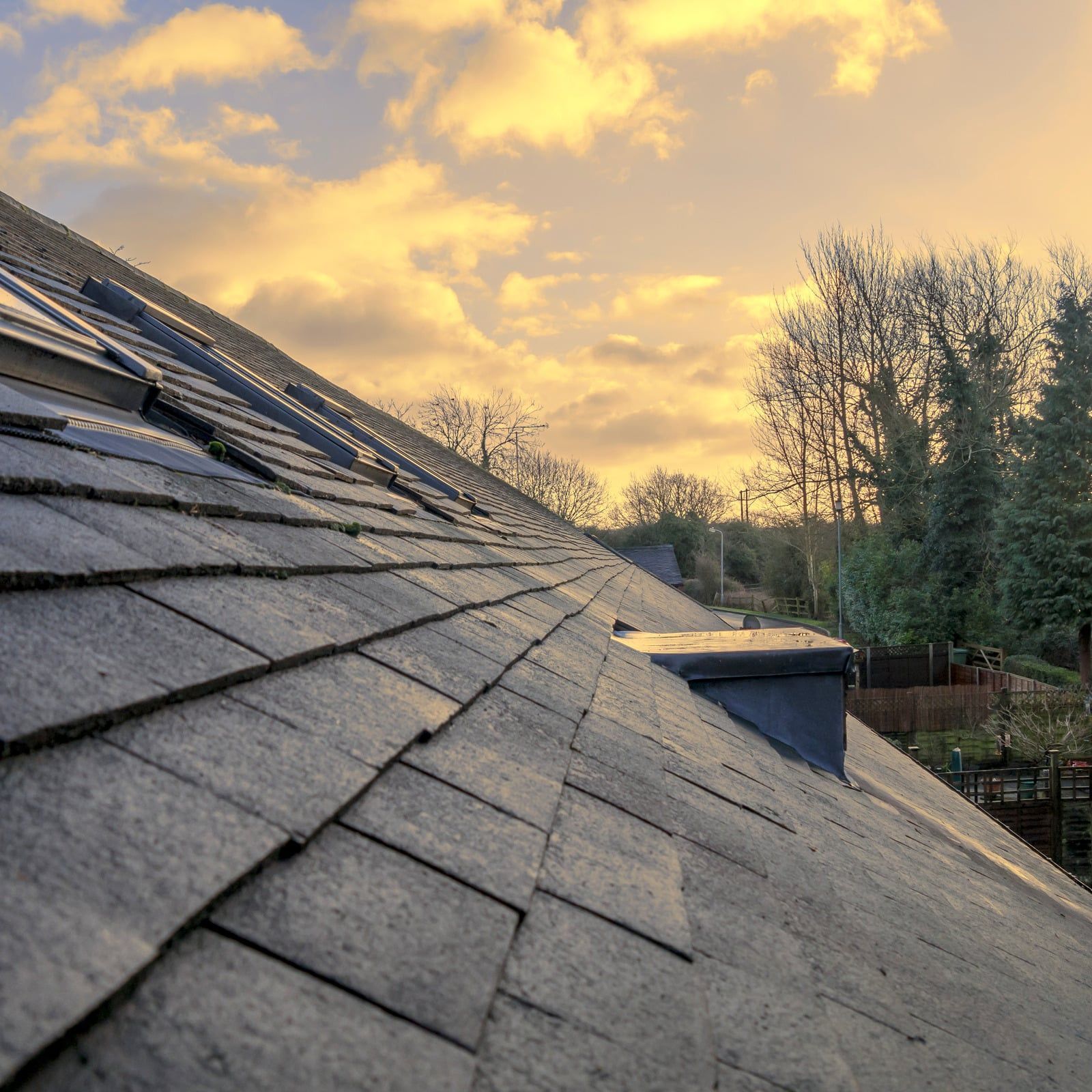
When a nail corrodes through, the slate above it has nothing holding it. It slides down the roof and either lodges in the gutter or crashes into the yard. You'll often notice a slipped slate as a dark gap in an otherwise neat roof.
One slipped slate isn't a disaster. But it leaves a hole, and water gets in fast once the gap is there.
4. Moss and damp speed up the wear
Newport's climate is hard on any roof, and slate is no exception. The steady damp keeps moss growing in the joints, and moss holds water right where you don't want it, against the slates and the mortar.
On the many north-facing terrace roofs that barely see the sun, this is worse. Trapped moisture works into tiny surface flaws, freezes in winter, and slowly flakes the face of the slate. That's called delamination, and it thins the slate over time.
Clearing moss regularly takes a lot of that pressure off. It's a small job that stops a slow, expensive one.
5. The ridge, valleys and mortar need watching
A slate roof is more than flat slopes. There's the ridge along the top, the valleys where two slopes meet, and the mortar bedding the ridge tiles down. These are the spots that fail before the slate does.
Old lime or cement mortar cracks and crumbles after decades of Newport weather. Once it goes, ridge tiles loosen and wind gets under them. Valleys clog with moss and debris, then back up and push water sideways under the slates.
When someone cleans your roof properly, they're looking at all of this, not just brushing off the green.
6. How to look after an old slate roof
The golden rule with old slate is gentle. Never blast a Victorian roof with a high-pressure jet, because that can shatter slates and drive water up under them. Low-pressure soft washing lifts moss and dirt without the force that does harm.
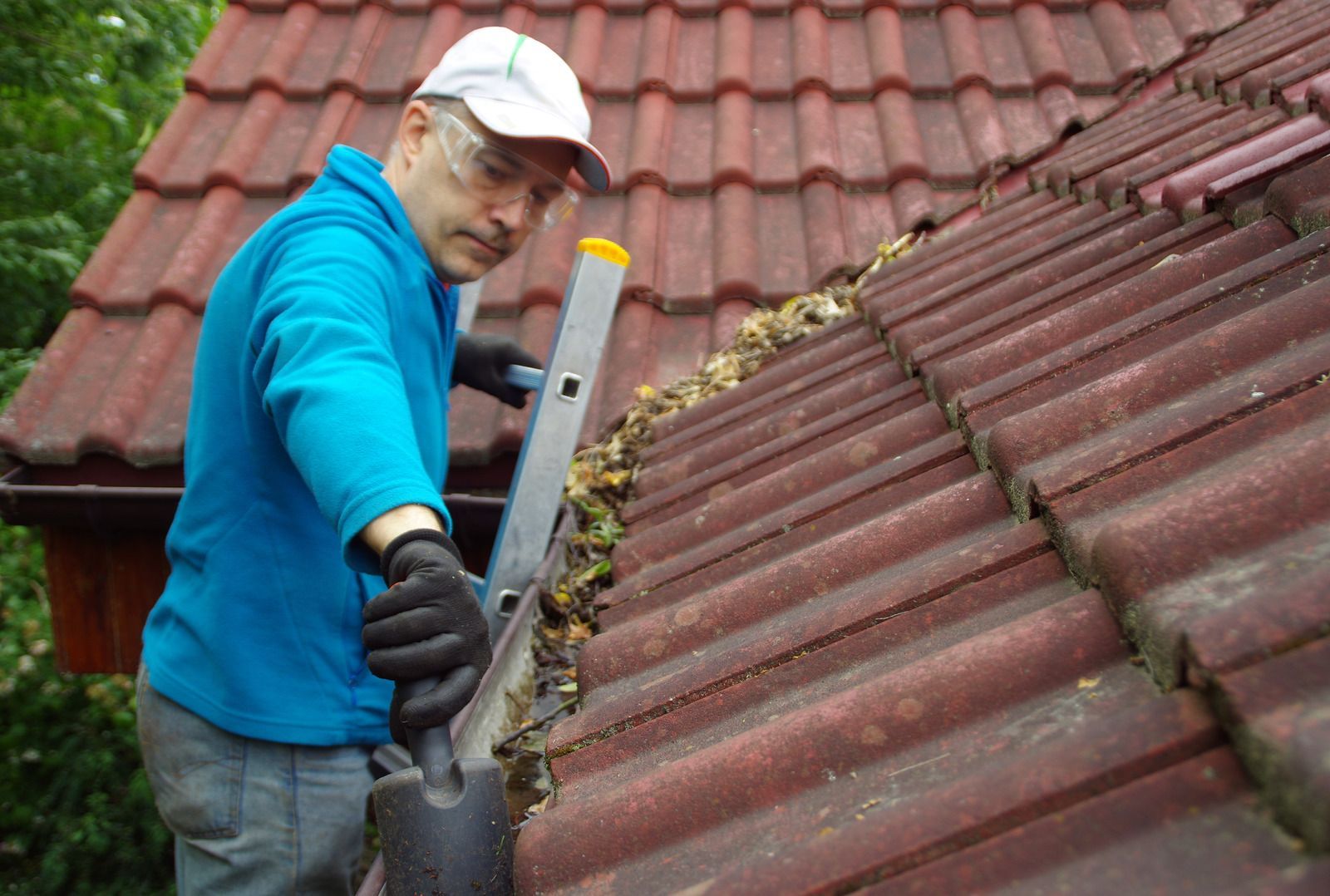
Alongside that, keeping the gutters clear stops water backing up onto the lowest slates and the fascia. A roof clean and a gutter clean go hand in hand, especially on terraces where the roofline runs unbroken from house to house.
Ben's Roof Cleaning has spent over 15 years working on exactly these roofs across Newport, so we know how the local terraces are built and where they tend to go wrong.
- Built to last: Newport's Victorian terraces were roofed in hard-wearing Welsh slate that often survives a century or more.
- Nail sickness: rusted old fixings, not the slate itself, are the usual cause of slipped slates.
- Damp damage: trapped moss and moisture flake and thin slate over the years, especially on shaded slopes.
- Weak points: ridges, valleys and crumbling mortar tend to fail before the slate does.
- Gentle care: low-pressure cleaning and clear gutters protect old slate without cracking it.
Frequently Asked Questions
How long does a Welsh slate roof last?
Properly maintained, Welsh slate can last well over 100 years. Many Newport terraces still wear their original slate. The fixings usually wear out long before the slate.
Why do slates keep slipping off my terrace?
Almost always nail sickness. The old iron nails rust through, and the slate has nothing left to hold it in place.
Can I pressure wash my slate roof?
Better not to. High pressure can crack and delaminate old slate. Low-pressure soft washing is the safe way to clean it.
Is moss on slate a real problem?
Yes. It holds damp against the slate and mortar, feeds frost damage, and blocks gutters when it washes off in the rain.
Should I replace my old slate roof?
Often no. If the slate is sound, re-fixing, repointing and cleaning can add decades. A proper look will tell you what your roof actually needs.
Want your Newport slate roof checked and cleaned?
Ben's Roof Cleaning works across Newport and South Wales, with over 15 years of experience. Get in touch or call 01633 358100
for a free, no-obligation quote.
These old roofs are worth keeping, so treat them well
There's real craft up there on Newport's terraces. Slate that was quarried and laid before your grandparents were born, still shrugging off the rain. Not many building materials can claim that.
Give it a bit of care and it'll keep going. Clear the moss, keep the gutters flowing, fix a slipped slate before it becomes ten, and your terrace roof can easily see out another generation.