Soft Washing vs Pressure Washing for Newport Roofs
If you're thinking about getting your roof cleaned, you've probably wondered whether a good blast with a pressure washer would sort it. It's a fair question. But on a Newport roof, the answer matters more than you might think.
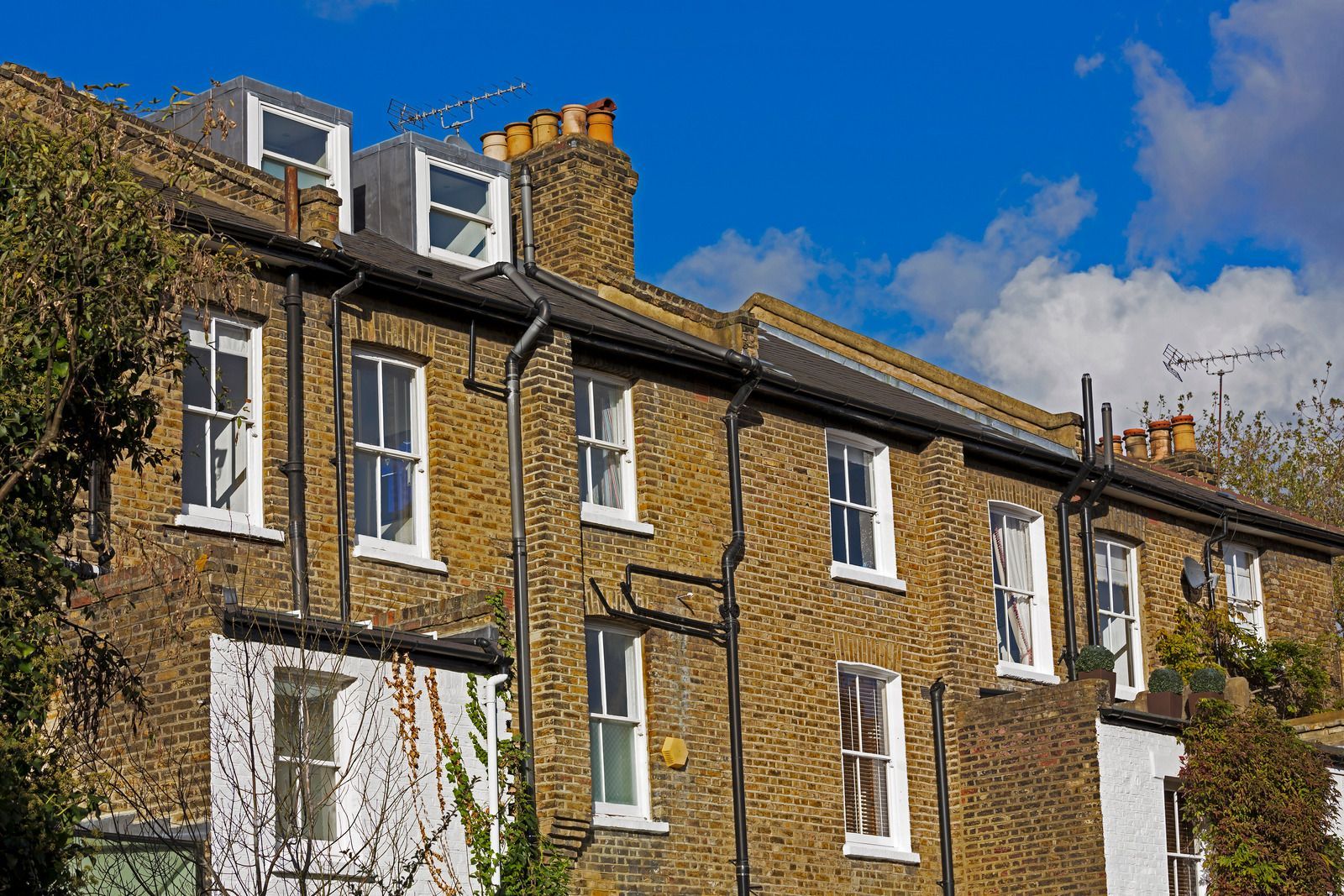
Plenty of the roofs here are old Welsh slate, laid generations ago on Victorian terraces. Clean them the wrong way and you can do real harm in minutes. So it's worth understanding the difference before anyone climbs up there.
The quick answer: Soft washing uses low water pressure plus a biocide to lift moss and algae gently, while pressure washing relies on a high-force jet. For Newport's older slate roofs, soft washing is far safer because high pressure can crack tiles, strip their surface, and force water underneath. Low pressure cleans without the damage.
1. What pressure washing actually does
A pressure washer fires water out at high force. On a hard, flat surface like a concrete drive, that's great, because it blasts dirt straight off. It's quick and it looks dramatic.
The trouble is a roof isn't a driveway. All that force hits tiles that are older and more delicate than they look, and it doesn't just remove the moss. It can take the surface of the tile with it.
On the right surface, pressure washing has its place. A roof is usually not that surface.
2. Why high pressure is risky on old slate
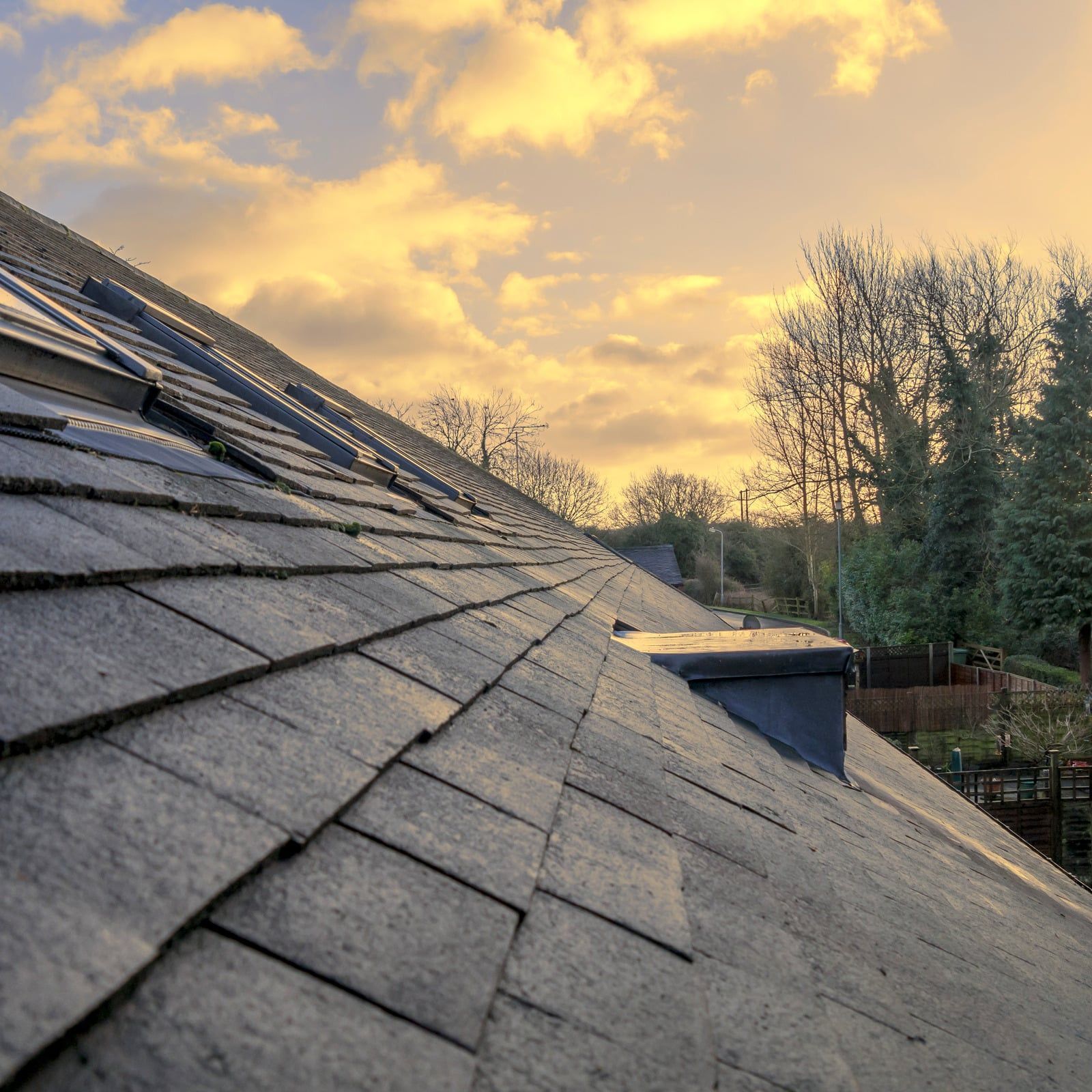
Newport's slate roofs have been weathering rain off the Bristol Channel for a century or more. The slate has softened at the surface over all those years, and a high-pressure jet can flake it, chip it, and even crack whole slates.
There's a second problem. Slates work by overlapping, shedding water down the roof. Fire a jet up under those overlaps and you drive water the wrong way, straight into the roof space where it soaks the timber and the felt.
So you can end up with a roof that looks cleaner for a season but is quietly worse off. That's a bad trade, and honestly it's one I've seen too often.
3. How soft washing works instead
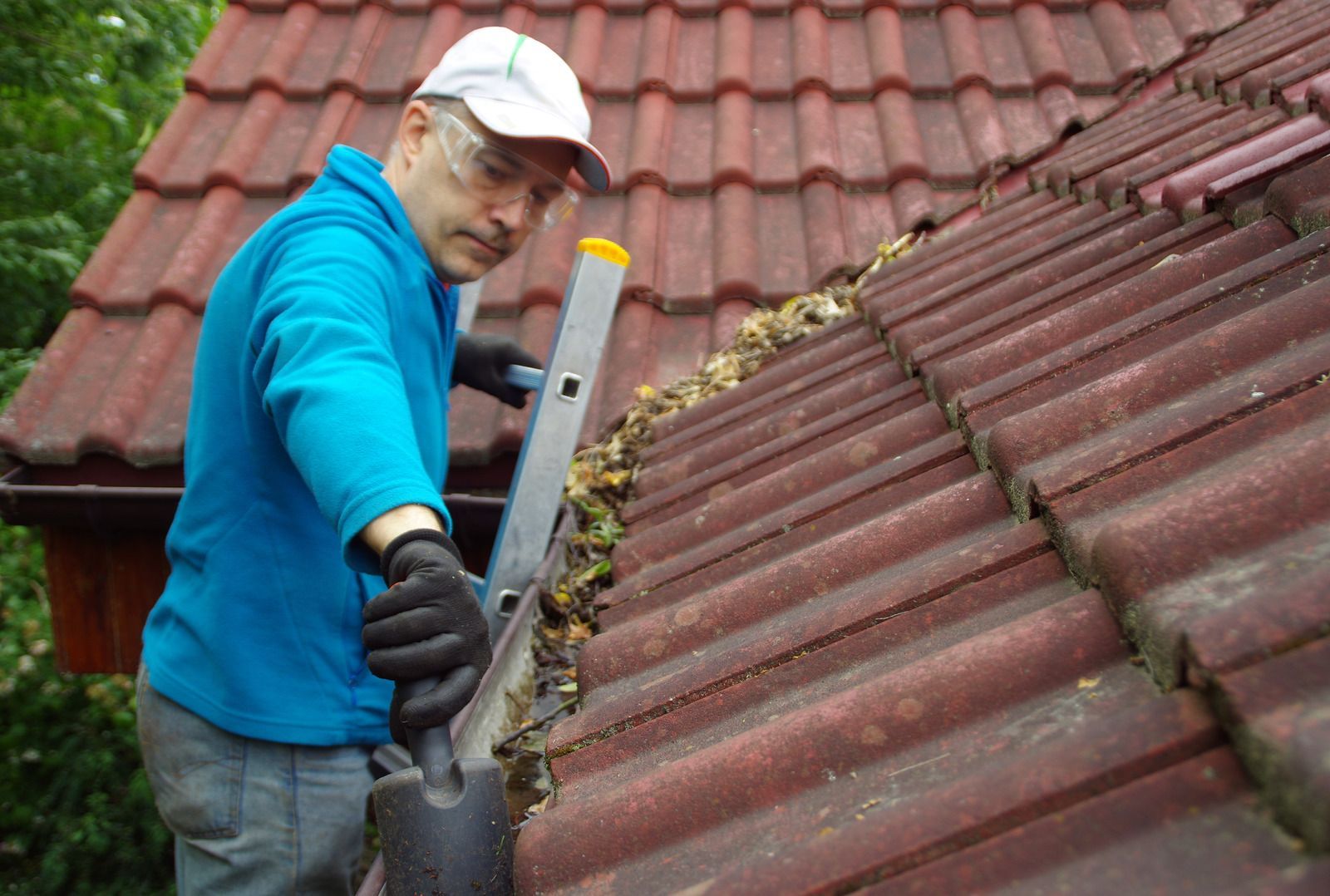
Soft washing takes the opposite approach. Instead of relying on force, it relies on the right treatment. Low-pressure water clears the loose moss and dirt, and a biocide does the deeper work of killing off what's left.
The pressure is gentle enough that it won't crack a tile or blast water under the slates. It's closer to a firm rinse than a jet. The biocide is what makes it effective, not brute force.
For the ageing roofs across Newport's terraces, that gentler method is a much better fit.
4. The biocide is the part that lasts
Here's the bit people don't always realise. Scrape moss off a roof and it looks clean, but the spores are still there, invisible, waiting for the next damp spell. In Newport, that damp spell is rarely far off.
A biocide keeps working after the wash is done. It goes after the algae film and spores you can't see, so the roof stays clean far longer before moss creeps back in.
That's the real advantage in a wet climate. You're not just cleaning today's moss, you're slowing down next year's.
5. What each method means for your wallet
Pressure washing can look cheaper up front, and sometimes faster. But if it cracks slates or drives water into the roof, the repair bill wipes out any saving many times over. On an old Newport terrace, that risk is real.
Soft washing costs a fair price for careful work, and because the biocide slows regrowth, you clean less often. Over a few years the gentler method usually works out better value, not worse.
Cost depends on your roof's size, its pitch, how much growth is up there, and how easy it is to reach. A proper quote looks at all of that rather than guessing.
6. Which one your Newport roof needs
For almost any pitched slate or tile roof in Newport, soft washing is the sensible choice. It clears the moss and algae, protects the slate, and keeps working through the biocide long after the job's done.
Pressure washing still suits hard ground surfaces, patios, paths and some driveways, where there's no risk of driving water into a building. It's about matching the method to the surface.
Ben's Roof Cleaning has used low-pressure soft washing on Newport roofs for over 15 years, because it's what keeps these older roofs safe while still getting them properly clean.
- High force, hard surfaces: pressure washing suits concrete and paths, not fragile old roof slate.
- Slate damage: high pressure can flake, crack and lift tiles and drive water under the overlaps.
- Gentle plus biocide: soft washing uses low pressure and treatment to clean without harming the roof.
- Longer-lasting: the biocide kills hidden spores, so regrowth is far slower in Newport's damp.
- Better value: fewer repairs and less frequent cleaning make soft washing the smarter spend.
Frequently Asked Questions
Is soft washing as effective as pressure washing?
For roofs, it's more effective long term. The biocide keeps killing moss and algae after the wash, so the roof stays clean far longer.
Can pressure washing damage my roof?
Yes. On old slate it can crack tiles, strip the surface, and force water under the overlaps into the roof space.
Why is low pressure better for Welsh slate?
Newport's slate has softened with age. Low pressure lifts moss without the force that flakes or shatters an old tile.
Does soft washing use harsh chemicals?
It uses a biocide designed to kill moss, algae and lichen. It's applied carefully and does the deep cleaning that plain water can't.
How long will my roof stay clean after soft washing?
Usually a few years, depending on shade and how damp your spot is. The biocide is what stretches the time between cleans.
Not sure which clean your roof needs?
Ben's Roof Cleaning works across Newport and South Wales, with over 15 years of experience. Get in touch or call 01633 358100
for a free, no-obligation quote.
Gentle wins the day on an old Welsh roof
It's tempting to think more power means a better clean. With roofs, it's usually the reverse. The force that makes a pressure washer so satisfying on a patio is exactly what puts an old slate roof at risk.
Soft washing does the job without the gamble. It gets the moss off, keeps it off longer, and leaves the slate the way it should be. For a Newport roof that's already seen a hundred winters, that gentle touch is the whole point.