Can Damp Fascia Boards Be Fixed Without Replacing Them?
Discovering damp or stained fascia boards raises an immediate, practical question: can they be saved, or is it a case of replacing them? The answer, reassuringly, is that it depends on catching the problem in time. Fascia that is merely damp or stained is often salvageable, while fascia that has rotted usually is not. The difference comes down to how far the damage has progressed, which makes early attention valuable. Understanding what can and cannot be fixed helps you respond sensibly to damp fascia.
This guide explains whether damp fascia boards can be fixed without replacing them, and what determines it.
Damp and Stained: Often Saveable
Fascia boards that are damp or stained but not yet rotted can often be saved rather than replaced. If the timber is still sound, wet or discoloured but not soft or decayed, then addressing the cause and cleaning the boards may be enough to restore them. The key is that the damage has not gone beyond surface damp and staining into actual rot.
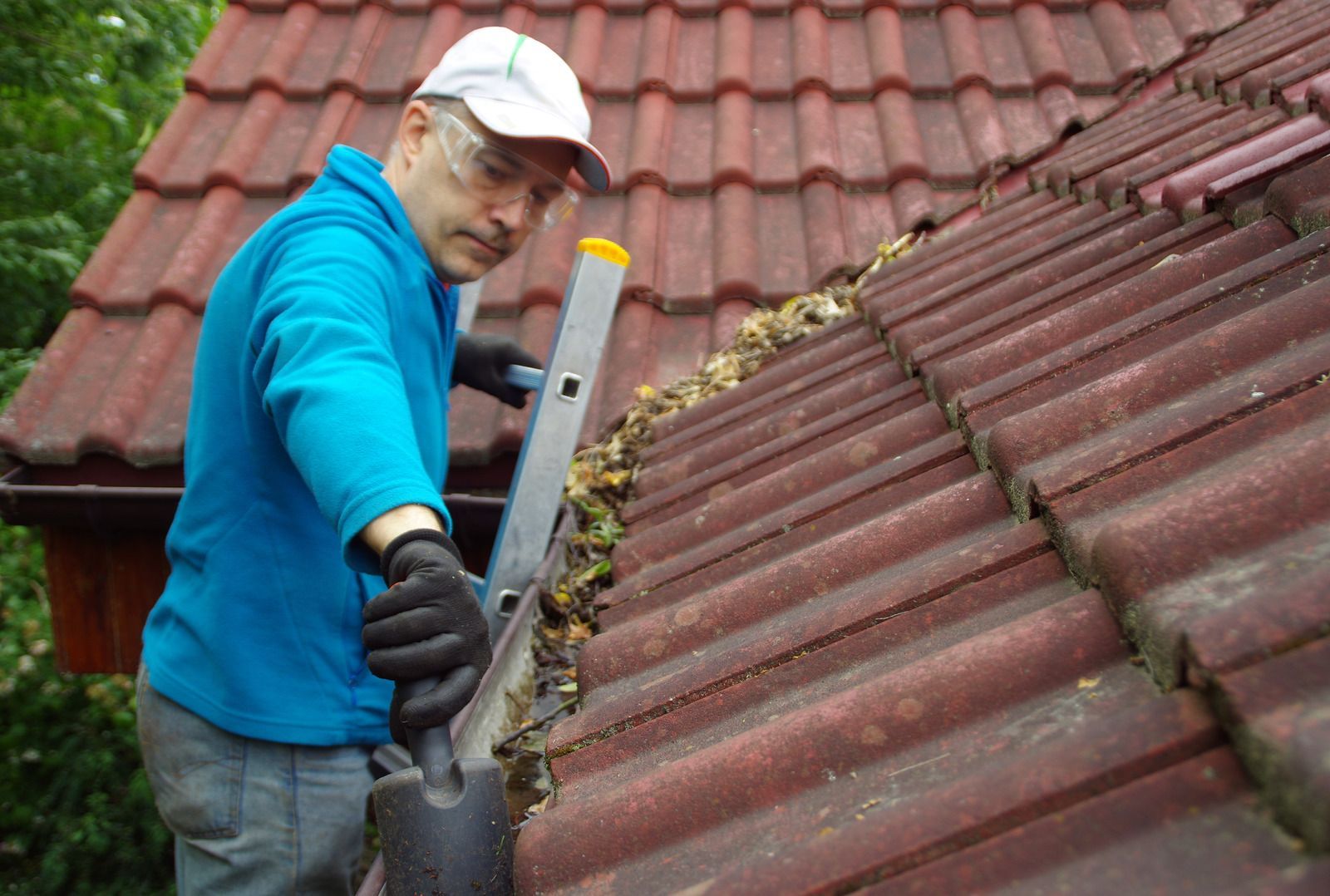
In this case, the priority is to fix the cause of the damp, which is usually an overflowing gutter directing water onto the fascia. Once the gutter is cleared and the overflow stopped, the fascia can dry out, and provided the timber has not decayed, it can recover. Cleaning the boards, as part of a fascia and soffit wash, removes the staining and algae, restoring their appearance. So damp, stained fascia caught before rot sets in can often be fixed by stopping the cause and cleaning, without replacement. Keeping the Gutter Cleaning clear is central to this.
Rotted: Usually Needs Replacing
Once fascia has actually rotted, the picture changes. Rot is the decay of the timber itself, the board softening, crumbling, and losing its structural integrity, and this cannot be reversed. A rotted fascia board has been damaged beyond cleaning or drying out, so it generally needs replacing to restore a sound roofline.
This is why the distinction between damp and rotted matters so much. Damp is a condition that can be resolved if caught in time; rot is permanent damage to the timber. A board that is soft, crumbling, or visibly decayed has passed the point where cleaning and drying can save it, and replacement is the sensible course. Trying to patch or clean rotted fascia does not restore its integrity or its ability to do its jobs, supporting the gutter and closing off the roof edge. So rotted fascia usually needs replacing, which is a more significant job than the clean-and-dry that saves damp fascia. In our 15 years on Sussex roofs and gutters, the boards we can save are the damp, not-yet-rotted ones caught early.
Warning: Do not assume damp fascia will be fine if left, damp that is not addressed progresses to rot, at which point the board needs replacing rather than saving. The window to fix fascia without replacing it is while it is still damp and sound, before the timber decays. Leaving it risks turning a saveable board into one that must be replaced.
Why Catching It Early Is Everything
The whole question of fixing versus replacing comes down to timing, which is why catching damp fascia early is so valuable. Damp caught early, while the timber is still sound, can be fixed by stopping the cause and cleaning, saving the board. The same damp left to continue rots the timber, tipping it into the replacement category. So the difference between a cheap fix and a costly replacement is often just how promptly the damp is addressed.
This is a strong argument for watching the fascia and acting on early signs of damp, staining, discolouration, or algae, before they become rot. It is also an argument for keeping gutters clear, since gutter overflow is the usual cause of fascia damp, preventing the overflow prevents the damp that leads to rot. Regular roofline maintenance, keeping gutters clear and checking the boards, catches damp early and keeps fascia in the saveable category. Addressing roof moss through
Roof Cleaning reduces the gutter blockages that cause the overflow.
Getting an Assessment
Because whether fascia can be fixed or needs replacing depends on the extent of the damage, an assessment of the boards is the reliable way to know. Someone looking at the fascia can judge whether it is merely damp and stained, saveable by cleaning and drying once the cause is fixed, or actually rotted and needing replacement. This assessment guides the right response rather than guessing.
The assessment also identifies the cause, usually an overflowing gutter, so it can be addressed, which is essential whether the board is being saved or replaced, since a new board would rot too if the overflow continued. So the sensible course with damp fascia is to have it assessed, along with the gutters causing the damp, so the right action, clean and dry, or replace, is taken, and the cause is fixed. Catching it at the damp stage gives the best chance of fixing without replacing.
It depends on how far the damage has gone. Fascia boards that are only damp or stained, not yet rotted, can often be saved: fixing the cause, usually an overflowing gutter, lets them dry, and cleaning removes the staining. But once timber fascia has actually rotted, softened and decayed, it generally needs replacing, as rot cannot be reversed. Catching damp early is the key to fixing without replacing.
Frequently Asked Questions
Can damp fascia boards be saved?
Often, if caught before they rot. Fascia that is damp or stained but still sound, not soft or decayed, can usually be saved by fixing the cause of the damp, typically an overflowing gutter, so the board dries out, and cleaning it to remove staining. The key is that the damage has not gone beyond surface damp into actual rot. Damp caught early is saveable; the window closes once the timber decays.
When does fascia need replacing instead?
Once it has actually rotted, softened, crumbling, and lost its structural integrity. Rot is permanent decay of the timber that cannot be reversed by cleaning or drying, so a rotted board generally needs replacing to restore a sound roofline. A board that is soft, crumbling, or visibly decayed has passed the point where it can be saved. So rotted fascia usually needs replacing, while damp, not-yet-rotted fascia can often be fixed.
How do I tell if my fascia is damp or rotted?
Damp or stained fascia is discoloured, wet, or algae-covered but still firm and sound. Rotted fascia is soft, crumbling, or visibly decayed, having lost its integrity. Pressing gently, if the board is soft or gives way, it has rotted; if it is firm despite staining, it may just be damp. Because the distinction determines whether it can be saved, an assessment of the boards is the reliable way to judge which you have.
What causes fascia to become damp in the first place?
Usually an overflowing gutter. When a gutter blocks and overflows, water runs down behind it onto the fascia, keeping the board persistently damp. So gutter overflow is the common cause of fascia damp, which is why fixing the gutter is essential to saving the fascia, and why keeping gutters clear prevents the damp that leads to rot. Addressing the gutter cause is necessary whether the fascia is being saved or replaced.
Will fixing the gutter save my damp fascia?
It is the essential first step, and if the fascia is still sound, it may save it. Stopping the gutter overflow lets the damp fascia dry out, and if the timber has not rotted, it can recover, with cleaning to remove staining. But if the board has already rotted, fixing the gutter alone will not restore it, and it will need replacing, though fixing the gutter is still necessary so a new board does not rot too. So it depends on whether the fascia is damp or already rotted.
Save your fascia before it rots — Book gutter clearing and a fascia check to catch damp early and fix the cause. Ben's Roof Cleaning maintains gutters and fascias across Newport, Wales. Call 0163 335 8100.
Caught Early, Often Saved
Can damp fascia boards be fixed without replacing them? Often, if caught in time. Fascia that is damp or stained but still sound can usually be saved by stopping the cause, typically an overflowing gutter, so the board dries, and cleaning away the staining. But once the timber has actually rotted, softened and decayed, it generally needs replacing, as rot cannot be reversed. The difference between a cheap fix and a costly replacement is often just how promptly the damp is addressed. So watch the fascia, act on early signs of damp before they become rot, keep the gutters clear to prevent the overflow that causes it, and have the boards assessed. Caught at the damp stage, fascia can frequently be fixed rather than replaced.